




For decades, fashion shopping in Oman has followed a familiar pattern: international brands launch seasonal collections, malls showcase the latest trends and consumers refresh their wardrobes accordingly. But a new movement is emerging, one that values individuality, sustainability and thoughtful consumption over fast-changing fashion cycles.
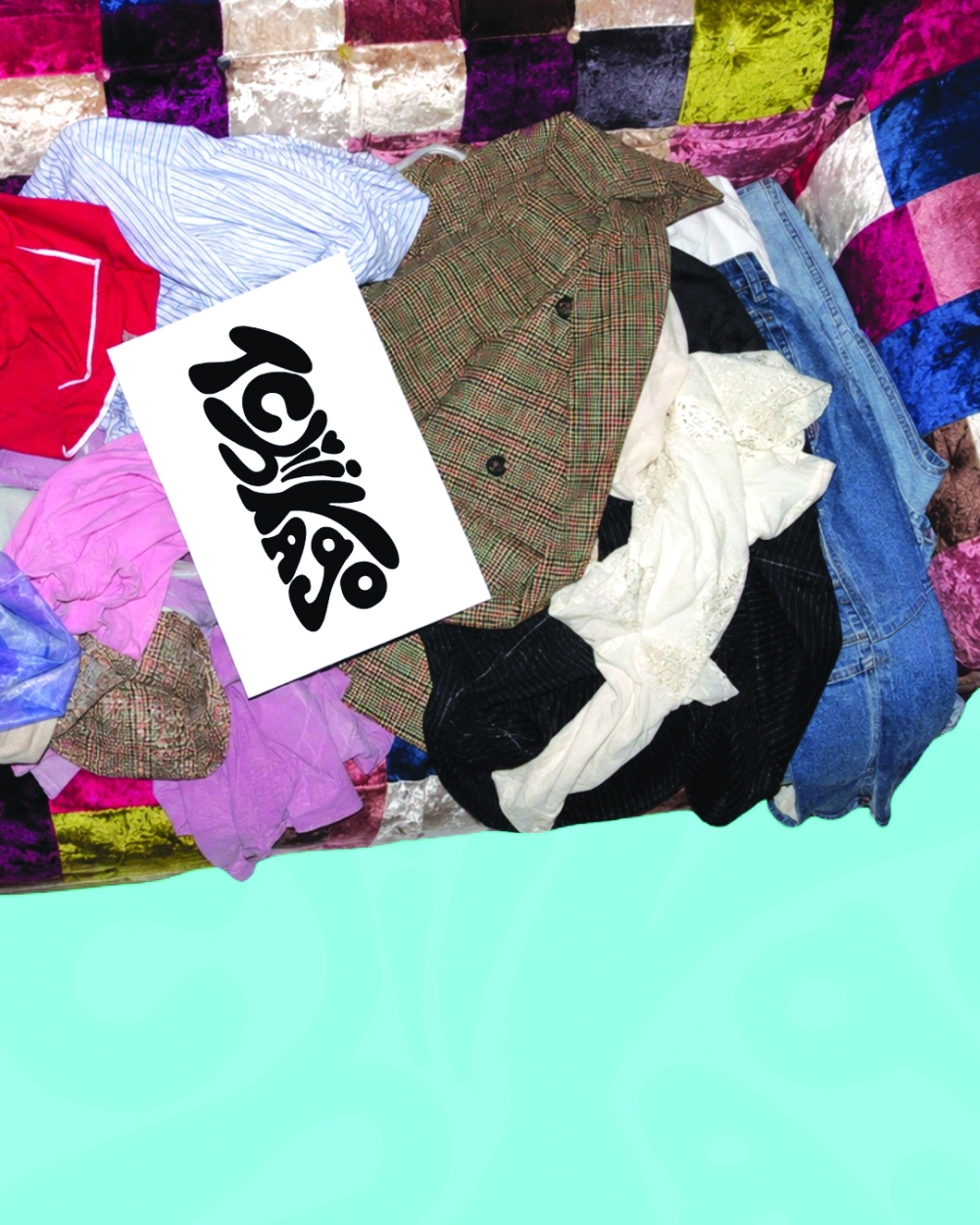
This August, 'Tchiikago' is set to open in Muscat as what its founders describe as Oman’s first Omani-owned walk-in thrift store. More than a second-hand clothing shop, the concept combines curated pre-loved fashion, reconstructed designs, clothing donations in exchange for store credit and a shopping experience focused on discovery rather than discounts.
The idea was created by two young Omani entrepreneurs: 24-year-old social entrepreneur Nadeen al Towaiya, founder of Omani Archive, and 25-year-old designer Tasneem al Balushi, founder of reworked fashion label Dollies. Bringing together business, creativity and sustainability, they hope 'Tchiikago' will introduce a new way of experiencing fashion in Oman.
For Al Towaiya, the inspiration came from a gap she noticed in the local fashion scene.
“I felt there was a gap in affordable fashion because a lot of what is considered affordable today is made from polyester and lower-quality materials that don’t last,” she says. “There also wasn’t enough variety.” However, she says the heart of the concept is not simply affordability, but individuality.
“Young people in Oman are becoming more interested in expressing their individuality,” she explains. “One of the best things about thrifting is that you can leave with something that probably nobody else in your community owns.” Rather than encouraging bargain hunting, 'Tchiikago' aims to make fashion feel personal. Each piece is carefully selected through international thrift sourcing, clothing donations and searches for garments that are high quality and have the potential to connect with local shoppers.
“When I see an item that has a home locally, or something that is high quality and difficult to find in Oman, that’s what attracts me,” Al Towaiya says.
The store’s circular model allows customers to donate clothes they no longer wear, receive store credit and help extend the life of garments. The approach reflects a growing global interest in circular fashion, where clothing is reused, redesigned and kept out of waste streams for longer.
That philosophy is also reflected in Al Balushi’s reconstructed collections. Through Dollies, she transforms existing garments through techniques such as embroidery, fabric painting and upcycling.
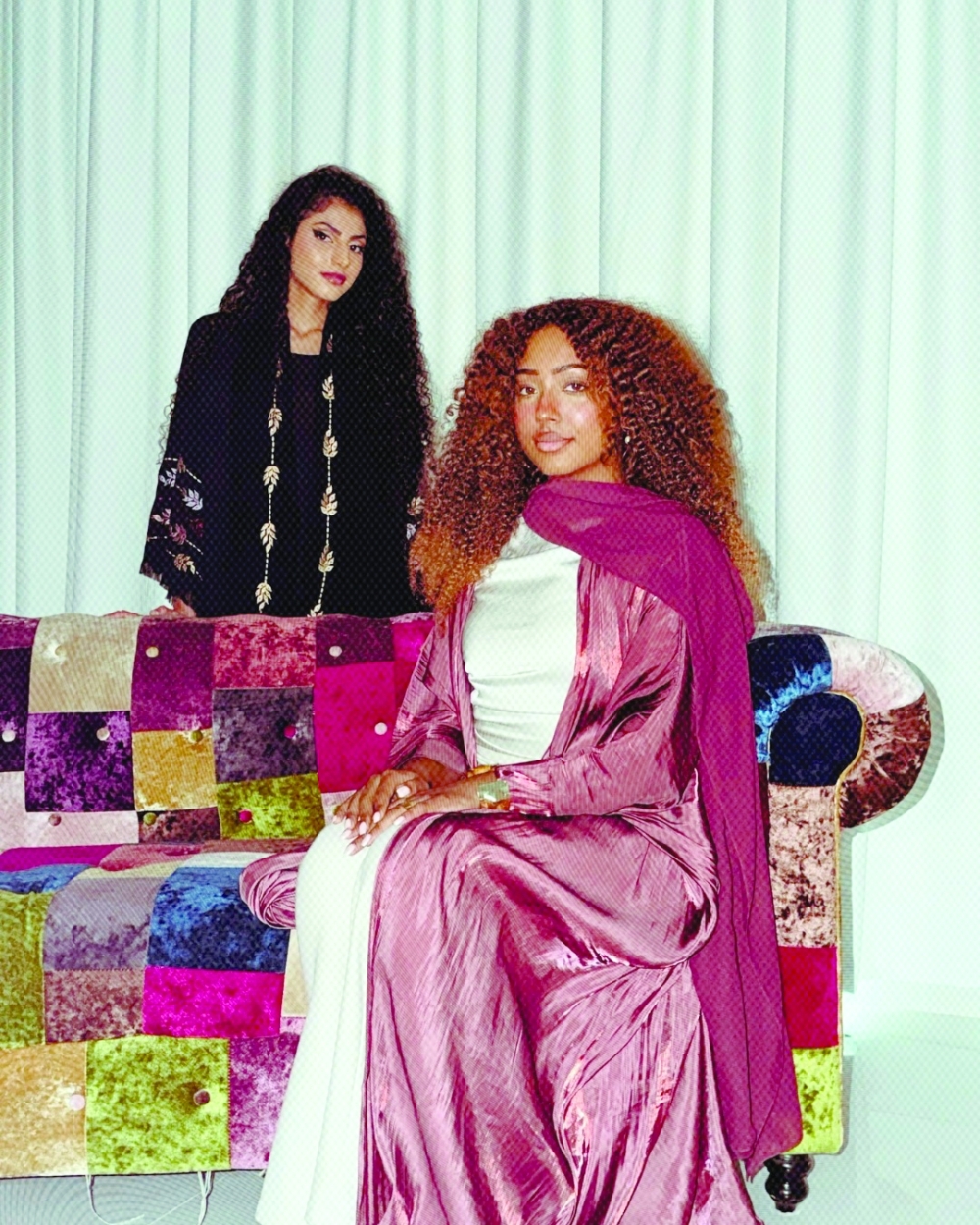
“We take clothing items that are in good condition and completely change how people see them,” she says. “One piece can become multiple versions of itself, and that alone can replace multiple new purchases.” While sustainability is central to the concept, both founders emphasise that style remains the priority.
“I don’t want sustainability to overshadow fashion,” Al Balushi says. “The pieces still need to be exciting and something people want to wear.” Al Towaiya believes Oman is already developing a stronger thrift culture, pointing to the popularity of markets such as Wadi Kabir’s Friday Market and the rise of thrift stores in the country.
One misconception she hopes to challenge is the idea that second-hand clothing is unhygienic.
“Whether something is new or second-hand, you’re going to wash it before you wear it,” she says.
Beyond retail, the founders envision 'Tchiikago' becoming a community platform that hosts sustainability discussions, events and initiatives promoting more conscious fashion choices.
Their goal is simple: to change the way people view clothing, not as disposable items dictated by trends, but as expressions of personality, creativity and identity.
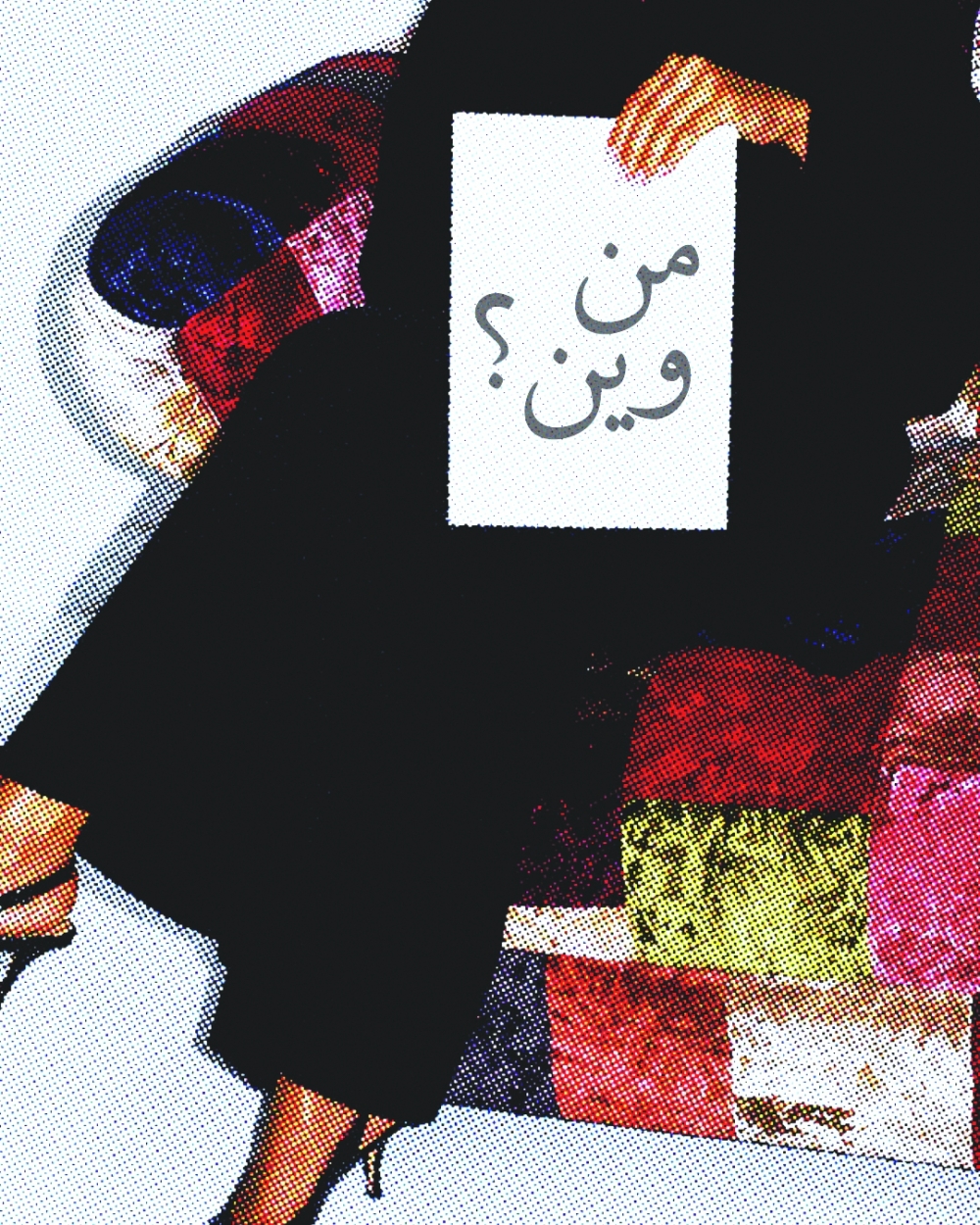
As their philosophy suggests, every carefully chosen piece should inspire curiosity: “Min ween?” , “Where did you get that?” For 'Tchiikago', the answer represents more than fashion, it represents a shift in how Oman approaches style.
Oman Observer is now on the WhatsApp channel. Click here